
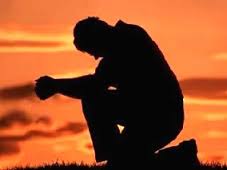
Does Everyone Have the Right to Pray?
Everyone will admit that we are living in a very unusual age. In fact, it is a strange, even bizarre, period of time! This is true in regard to many different beliefs, practices, and actions. But it is definitely true regarding pluralism, religion, and prayer.
What is “pluralism”? It may be defined as “a condition in which numerous distinct ethnic, religious, or cultural groups are present and tolerated within a society.” It may also be defined as “the belief that such a condition is desirable or socially beneficial” (The American Heritage College Dictionary). But is it really acceptable for people to worship different gods, pray to different Beings, or live different kinds of lives? Is this something that God approves of or does this meet with God’s approbation?
Those who are thinking rationally or logically can readily see that it surely is not good or acceptable for different people to worship different gods. It is especially reprehensible before the true and living God for people to imagine that they are communicating with these false gods and pleasing these idols of their imagination!

In this light, we ask the direct question, is it good for people to pray to the god of their imagination? We often hear something like this: Did you pray about this? Are you going to pray to God about the matter? Please pray for John (Bill, Mary, Sue, etc) to be healed! Pray that I’ll find a job! Let’s pray that I’ll do some “church shopping” and find the right one!
As we said above, is it even rational to think that God does hear all of these prayers regardless of who is addressed? And does God hear everyone’s prayers regardless of how they live or regardless of anything about them?
Does God really hear and answer the prayers of all people—as long as they are uttered in sincerity and according to the blessings of a certain religion? Does God “hear” the prayers of Hindus when they bow down to their false gods? Does God “hear” the prayers of the Buddhist who even denies the existence of God? Does God “hear” the prayers of the Muslim who imagines that he or she is reaching out and making requests of “Allah”—their god? Does God “hear” the prayers of the Catholic who thinks that when he or she prays to the “Virgin Mary” or Catholic “saints” the prayer is heard? Can the professing Christian count on God to hear the prayers of those who call on Him in Jesus’ name—regardless of what the person believes or how the person lives?
Have you heard what I’ve heard? “Anytime that you are in need, call on God! He will hear and answer you!” Is this true? Or we may hear, “If you have a need, if you are lonely, if you are in trouble, or if you are sick, just come to God in prayer. He is ready, willing and anxious to hear you and grant your requests!” And how often we have heard, “In the day of trouble, call on God! He will hear and answer and grant your requests!” This may sound good and nice, but is it true? Does God hear our prayers indiscriminately? Does he promise to hear us and do what we ask? If we believe this, we are greatly deceived! While an occasional scripture may lead one to come to this conclusion, in reality this is a vain and useless prayer. It is pulling such verses out of context and making God say something that He is not really saying!
In order to show what the Bible teaches, let’s remember several requirements for acceptable and availing prayer. Prayer must be expressed in faith (James 1:6; Matthew 21:21-22), in righteousness (James 5:16), and obedience (1 John 3:22). Prayer is for those who abide in Christ John 15:7), those who fear God (Psalm 145:19), and those who pray in Christ’s name (John 14:13). As Proverbs 15:29 says, “He hears the prayer of the righteous” (see also Psalm 34:15-18). We can say that prayer is a privilege that is only offered to certain people!

Now let’s also look at a few verses that plainly say that God will not hear or answer certain prayers. There are a variety of these stipulations but they are all important. For example, God will not hear those who teach “as doctrines the precepts of men” (Matthew 15:8-9; Mark 7:6-7) or those who regard wickedness in their heart (Psalm 68:18). God will not listen to the wicked (Proverbs 15:29). The Lord will not hear those who refused His counsel or His reproof (Proverbs 1:24-25 with v. 28). God will not hear those who do evil, for we read, “The eyes of the LORD are toward the righteous, and His ears attend to their prayer. But the face of the LORD is against those who do evil” (1 Peter 3:12).
How does God look on sin? “Your iniquities have made a separation between you and your God, and your sins have hidden His face from you so that He does not hear” (Isaiah 59:2). According to this, God refuses to “hear” the sinful person. Further, 1 John 5:14 says that if we ask according to God’s will, He will hear us. The healed blind man had it right when he said, “We know that God does not hear sinners; but if anyone is God=fearing and does His will, He hears him” (John 9:31).
This gives us a general survey of whether or not God will hear and answer our prayers. He will answer some—those offered in faith, with an obedient heart, according to God’s will. But He will refuse to hear and answer other prayers—those that do not come from an obedient heart that has faith.
Now we must return to the first concern that we expressed above. There are over seven billion people on earth and most of them have some sort of religion. Yet, we know that God will not hear or answer many of these prayers—such as those uttered by Buddhists, Hindus, Muslims, and others. Why? We know that God loves these people. He created them! But His Word says that God will not answer or even hear prayers uttered by these religionists. Further, we know that God will not hear or answer the prayers of certain cultists from Christendom—such as Mormons, Oneness (Jesus only) people, Adventists, Jehovah’s Witnesses, and the like. Further, we understand that those who profess Christianity of some sort—such as Catholics, Orthodox, and the like—will not be heard because of their false teachings, their aberrant faith, their bizarre doctrines, etc.
What about those millions or several hundred millions who remain? While we don’t want to make a judgment of all of these religionists, we must observe that many (or actually most) of these people do hold to a massive amount of false teachings—such as baby baptism, denominationalism, determinism, and the like. In other words, they differ widely from Biblical Christianity. Thus, God will not hear or answer. What we have seen above on God not hearing certain people is definitely applicable to these people (see the requirements for acceptable prayer).
What does this say regarding those who just throw out the offer of answered prayer? When some preachers, priests, pastors, and teachers make the statement that people should go to God in prayer to receive His approval, is this true? Is it accurate? Of course not! Most people’s prayers are not availing—and God actually is angry about the prayers of many people. He will not answer them or will refuse to hear them!

What of the liberal Protestant who denies the resurrection of Christ (Romans 10:9-10)? Definitely God will not answer their prayers even though they may daily call on Him. What about the Protestant who thinks that Jesus Christ began in Bethlehem when the Bible says that Jesus created the universe (Colossians 1:16-17)? What about the professing Christian who is convinced that he/she will become rich through his prayers? This is teaching is an abomination to God! No, God will not hear or answer everyone’s prayers!
As we said at the beginning, we take the privilege of prayer too casually. We seem to assume that anyone who wants to can call on God and He will answer. Not at all.
God will not only refuse to hear and answer many/most prayers, He finds them offensive and will refuse to answer. We need very much to keep this in mind—with regard to our own prayer life as well as what we offer or advise others. Let’s not only realize that most people don’t have the privilege of prayer, but God will refuse to hear or answer the prayers of most people. Regardless of who thinks that his prayers to Mary, Joseph, or some so-called saint are effective, in reality, they offend the God of heaven!
May God help us to rejoice that the true and living God will hear our sincere prayers and will also refuse to hear the prayers of the unfaithful and disobedient.
–Richard Hollerman


 You can reach us via e-mail
at the following address:
You can reach us via e-mail
at the following address: