
GUEST ARTICLE
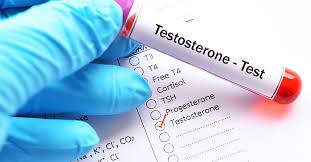
Is Testosterone Therapy Safe?
Commonly associated with masculinity, the hormone testosterone affects energy metabolism, body composition (muscle vs. fat mass), sexual function and bone mineral density in men.1,2 There is a natural decline in men’s testosterone levels with age. However it is not sudden like menopause in women, it is a gradual, progressive decrease. Testosterone tends to decline slowly at a constant rate starting around age 30.3
Low testosterone
In some men, testosterone drops too low, having negative health effects. Low testosterone is associated with obesity, insulin resistance and type 2 diabetes, inflammation, elevated cholesterol and triglycerides, and as a result, increased cardiovascular disease risk. 1,4,5 In men with low testosterone, testosterone therapy has improved LDL cholesterol blood pressure, body mass index, insulin sensitivity and exercise performance.5 However, studies of men who used anabolic steroids found an increase in heart disease, suggesting that high testosterone levels also increase cardiovascular risk.5
Concerns over the effects of falling testosterone levels on sleep patterns, sexual function and overall health sparked interest in testosterone therapy. Restoring testosterone to youthful levels appears desirable to many men, and as a result, prescription rates have soared—increasing by more than three-fold between 2001 and 2011. It appears that testosterone is being prescribed in many cases without evidence of true low testosterone.6 This increase in prescriptions is a concern because, like in the studies on men taking anabolic steroids, testosterone therapy may raise the risk of cardiovascular disease.
Does testosterone therapy increase heart attack and stroke risk?
A clinical trial investigating testosterone therapy in a population of older men with a high prevalence of cardiovascular disease was halted in 2009 because of a high rate of heart attacks and strokes.7 Another study published in 2013 retrospectively studied elderly male veterans with low testosterone who either received or did not receive testosterone therapy. In this study, testosterone use was associated with greater risk of all-cause mortality, heart attack and stroke.8 A meta-analysis of placebo-controlled, randomized controlled trials of testosterone therapy found an 54 percent increased risk of cardiovascular events.9 The FDA now requires that testosterone products be labeled to warn consumers about the possible increase in heart attack and stroke risk. 10
The evidence supports moderate levels of testosterone as opposed to low or high levels for good health. Over a 7-year follow-up, older men with midrange levels of testosterone had lower death rates compared to highest or lowest quartiles.2
Can we prevent low testosterone naturally?
Declining testosterone levels are not simply the result of advancing age. Although age is one contributing factor, healthier lifestyle habits are associated higher testosterone levels in older men.11
Greater amounts of body fat or visceral fat are associated with lower testosterone.12-16 There is likely a cycle in which high body fat promotes lower testosterone, which promotes more body fat, leading to diabetes and cardiovascular disease. Also, testosterone does affect the blood vessels, favoring relaxation of the smooth muscle to promote lower blood pressure and better blood flow. So a normal, physiological level of testosterone favors cardiovascular health—not too low, not too high. 1,5
Cholesterol-lowering statin drugs and endocrine-disrupting chemicals, such as those found in plastics, some pesticide residues and pollutants in fish and other animal foods, also may lower testosterone levels.17-20
The healthiest thing to do would be to prevent testosterone from becoming too low by living healthfully, so you will not need to take hormones. Following a Nutritarian diet results in lower body fat and increased muscle mass and strength with exercise. You will age more slowly and keep your testosterone from falling too low.
The current research does suggest that men can increase testosterone naturally. Two studies of overweight and obese men who participated in a 12-week diet and exercise intervention found that they lost weight, improved their blood pressure, and increased circulating testosterone levels.21,22 Vigorous exercise and adequate vitamin D and zinc status help to maintain healthy testosterone levels.16,23,24
Men who are concerned about testosterone decreasing with age should maintain low levels of body fat using a high-nutrient (Nutritarian) diet, limit packaged foods and animal foods, get regular vigorous exercise and supplement wisely. These are the safe, natural ways to maintain youthful levels of health, strength and vitality with age.
________________________________________
References:
- Kelly DM, Jones TH. Testosterone: a metabolic hormone in health and disease. J Endocrinol 2013, 217:R25-45.
- Yeap BB, Alfonso H, Chubb SA, et al. In older men an optimal plasma testosterone is associated with reduced all-cause mortality and higher dihydrotestosterone with reduced ischemic heart disease mortality, while estradiol levels do not predict mortality. J Clin Endocrinol Metab 2014, 99:E9-18.
- Harman SM, Metter EJ, Tobin JD, et al. Longitudinal effects of aging on serum total and free testosterone levels in healthy men. Baltimore Longitudinal Study of Aging. J Clin Endocrinol Metab 2001, 86:724-731.
- Araujo AB, Dixon JM, Suarez EA, et al. Clinical review: Endogenous testosterone and mortality in men: a systematic review and meta-analysis. J Clin Endocrinol Metab 2011, 96:3007-3019.
- Morris PD, Channer KS. Testosterone and cardiovascular disease in men. Asian J Androl 2012, 14:428-435.
- Baillargeon J, Urban RJ, Ottenbacher KJ, et al. Trends in androgen prescribing in the United States, 2001 to 2011. JAMA Intern Med 2013, 173:1465-1466.
- Basaria S, Coviello AD, Travison TG, et al. Adverse events associated with testosterone administration. N Engl J Med 2010, 363:109-122.
- Vigen R, O’Donnell CI, Baron AE, et al. Association of testosterone therapy with mortality, myocardial infarction, and stroke in men with low testosterone levels. JAMA 2013, 310:1829-1836.
- Xu L, Freeman G, Cowling BJ, Schooling CM. Testosterone therapy and cardiovascular events among men: a systematic review and meta-analysis of placebo-controlled randomized trials. BMC Med 2013, 11:108.
- U.S. Food and Drug Administration. FDA Drug Safety Communication: FDA cautions about using testosterone products for low testosterone due to aging; requires labeling change to inform of possible increased risk of heart attack and stroke with use. . 2015.
- Yeap BB, Almeida OP, Hyde Z, et al. Healthier lifestyle predicts higher circulating testosterone in older men: the Health In Men Study. Clin Endocrinol (Oxf) 2009, 70:455-463.
- Travison TG, Araujo AB, Kupelian V, et al. The relative contributions of aging, health, and lifestyle factors to serum testosterone decline in men. J Clin Endocrinol Metab 2007, 92:549-555.
- Ponholzer A, Plas E, Schatzl G, et al. Relationship between testosterone serum levels and lifestyle in aging men. Aging Male 2005, 8:190-193.
- Lima N, Cavaliere H, Knobel M, et al. Decreased androgen levels in massively obese men may be associated with impaired function of the gonadostat. Int J Obes Relat Metab Disord 2000, 24:1433-1437.
- Nielsen TL, Hagen C, Wraae K, et al. Visceral and subcutaneous adipose tissue assessed by magnetic resonance imaging in relation to circulating androgens, sex hormone-binding globulin, and luteinizing hormone in young men. J Clin Endocrinol Metab 2007, 92:2696-2705.
- Allen NE, Appleby PN, Davey GK, Key TJ. Lifestyle and nutritional determinants of bioavailable androgens and related hormones in British men. Cancer Causes Control 2002, 13:353-363.
- Schooling CM, Au Yeung SL, Freeman G, Cowling BJ. The effect of statins on testosterone in men and women, a systematic review and meta-analysis of randomized controlled trials. BMC Med 2013, 11:57.
- Travison TG, Araujo AB, O’Donnell AB, et al. A population-level decline in serum testosterone levels in American men. J Clin Endocrinol Metab 2007, 92:196-202.
- Bhasin S. Secular decline in male reproductive function: Is manliness threatened? J Clin Endocrinol Metab 2007, 92:44-45.
- Goncharov A, Rej R, Negoita S, et al. Lower serum testosterone associated with elevated polychlorinated biphenyl concentrations in Native American men. Environ Health Perspect 2009, 117:1454-1460.
- Kumagai H, Zempo-Miyaki A, Yoshikawa T, et al. Lifestyle modification increases serum testosterone level and decrease central blood pressure in overweight and obese men. Endocr J 2015, 62:423-430.
- Schulte DM, Hahn M, Oberhauser F, et al. Caloric restriction increases serum testosterone concentrations in obese male subjects by two distinct mechanisms. Horm Metab Res 2014, 46:283-286.
- Prasad AS, Mantzoros CS, Beck FW, et al. Zinc status and serum testosterone levels of healthy adults. Nutrition 1996, 12:344-348.
- Nimptsch K, Platz EA, Willett WC, Giovannucci E. Association between plasma 25-OH vitamin D and testosterone levels in men. Clin Endocrinol (Oxf) 2012, 77:106-112.
–Joel Fuhrman
drfuhrman.com/library/ testosterone-therapy.aspx?utm_ source=email&utm_medium =Blast&utm_campaign= 062615-testosterone-therapy -readmore-button


 You can reach us via e-mail
at the following address:
You can reach us via e-mail
at the following address: